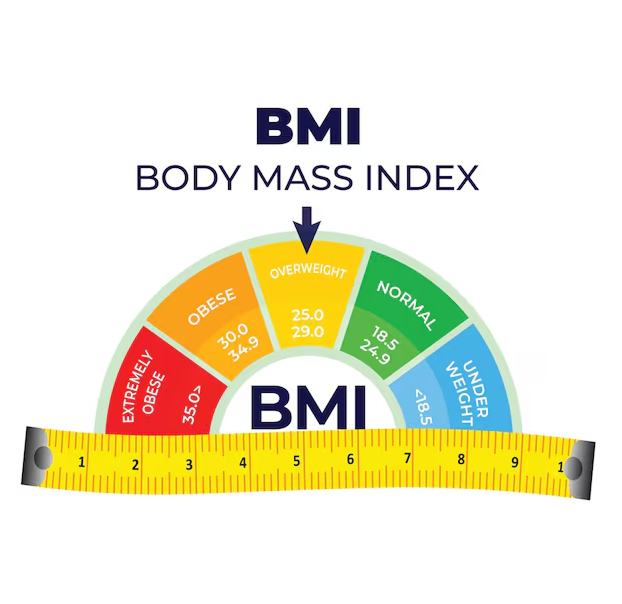
What is BMI (Body Mass Index)?
Body Mass Index (BMI) is a statistical measurement that compares your weight to your height. It is a widely accepted screening tool used by doctors, nutritionists, and fitness experts to categorize individuals into different weight classes, such as underweight, healthy weight, overweight, and obese.
While BMI does not measure body fat directly, research has shown that it correlates closely with direct measures of body fat, such as underwater weighing and dual-energy X-ray absorptiometry (DXA).
How to Use the MixMax BMI Calculator
Using our tool is incredibly easy. Follow these simple steps:
- Select your Gender: Choose between Male or Female (as body composition trends can vary).
- Enter your Age: BMI interpretation can slightly differ for children and the elderly.
- Input your Height: You can choose between centimeters (cm) or feet and inches.
- Input your Weight: You can enter this in kilograms (kg) or pounds (lbs).
- Hit Calculate: Your BMI score and weight category will appear instantly.
Understanding Your BMI Results
Once you get your score, it’s important to know what it means. The World Health Organization (WHO) provides a standard classification for adults (age 20+):
- Underweight (Below 18.5): Being underweight might indicate that you aren't eating enough or that you have an underlying health condition. It can lead to a weakened immune system, bone loss, and fatigue. Consult a nutritionist to create a healthy weight-gain plan.
- Healthy Weight (18.5 – 24.9): Congratulations! You are in the "Green Zone." Maintaining this range reduces the risk of serious health conditions. Focus on a balanced diet and regular physical activity to stay here.
- Overweight (25.0 – 29.9): Being in this category means you are carrying excess weight relative to your height. While not yet "obese," this range increases your risk of developing heart disease, Type 2 diabetes, and hypertension. Small lifestyle changes can help bring you back to the healthy range.
- Obese (30.0 and Above): Obesity is linked to several serious health complications, including sleep apnea, certain cancers, and stroke. It is highly recommended to speak with a healthcare provider to manage weight through diet, exercise, and medical guidance.
The Benefits of Tracking Your BMI
Why should you check your BMI regularly on MixMax Calculator?
- Disease Prevention: High BMI is a primary indicator for metabolic syndrome and cardiovascular issues.
- Goal Setting: It gives you a numerical target. If your BMI is 27, your goal might be to reach 24.
- Simplicity: Unlike body fat skinfold tests or water displacement, BMI requires no special equipment—just a scale and a measuring tape.
- Motivation: Watching your BMI move from the "Overweight" to the "Healthy" category is an incredible psychological win.
Important Limitations of BMI
While the BMI calculator is a fantastic guide, it is not a perfect diagnostic tool. Here are a few things to keep in mind:
Tips to Improve Your BMI Score
If your BMI isn't where you want it to be, don't panic. Here are actionable steps to move the needle:
- Watch Your Portions: Use a calorie tracker to ensure you aren't consuming more than you burn.
- Increase Fiber Intake: Eat more fruits, vegetables, and whole grains. They keep you full longer and improve digestion.
- Strength Training: Building muscle increases your Basal Metabolic Rate (BMR), helping you burn more calories even when resting.
- Stay Hydrated: Sometimes the body confuses thirst with hunger. Drink water throughout the day.
- Consistency is Key: Aim for 150 minutes of moderate aerobic activity (like brisk walking) per week.